Tail lights appeared soon after the car was invented. The first, like the cars attached to them, is basic, addressing the need for night-time visibility in a primitive way. Safety features have been gradually improved by adding new features -- reversing lights, rear fog lights -- and more stringent requirements for basic functions: larger lighting areas, wider light distribution, higher intensity. This trend is driven by the introduction of leds with instant lighting and more stable beams. Regulations have also evolved to permit and require the installation of high-position auxiliary brake lights, emergency brake displays, hazard warnings, etc. . The still optional adaptive tail light system is designed to improve safety performance under difficult conditions.
In addition to this important safety role, tail lights are now considered a priority design feature, more precisely, it is the most important element in the rear that can express the car’s logo. In recent years, design has actually been the real engine of innovation in the rear, and that is likely to continue in the future.
With its compactness, low operating temperature, solid color, and the freedom to use any number of leds, the introduction of leds opens the door to unlimited opportunities. As a result of this wide range of technical possibilities, the current trend in designer demand is for thin lights, full tail lights, illuminated signs, precise interior finishes and the appearance of similar displays.
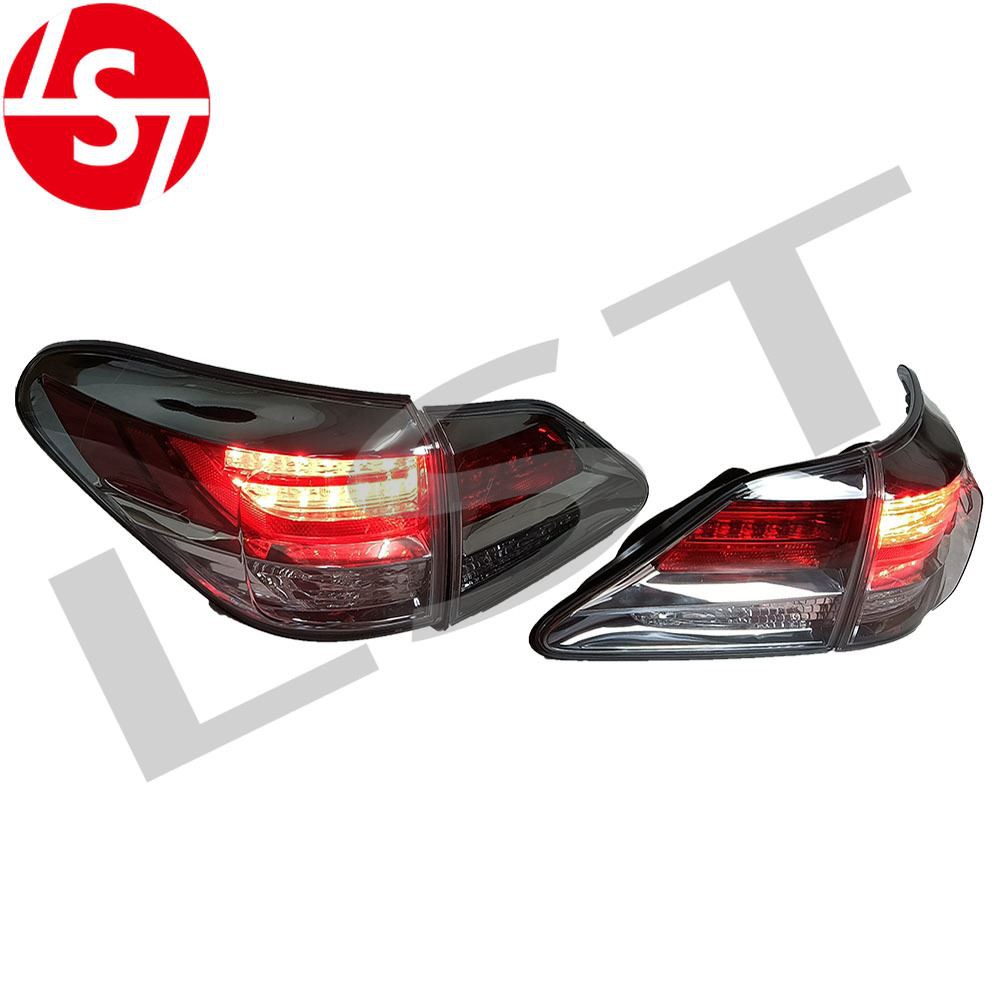
Tail lights will play a role in safer, more interconnected vehicle innovations for the foreseeable future. Therefore, the future of tail lights will prioritize a style of unbridled imagination, while implementing long-awaited features to enhance functional security.